


Level 1, 206 Adelaide Terrace, Perth WA 6004
230 Railway Parade, Cannington WA 6107
 Best Accountant Perth | Accounting Firms in PerthBest Accountant Perth | Accounting Firms in Perth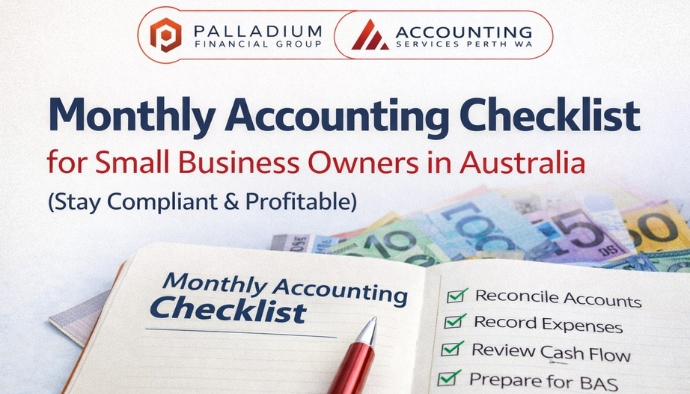
Managing your business finances monthly is essential for staying compliant and maintaining long-term growth. Many Australian small business owners leave their accounting tasks until deadlines approach, which often leads to errors, missed deductions, and unnecessary stress. A structured monthly accounting routine helps you stay organised, avoid penalties, and make better financial decisions.
This guide explains a practical monthly accounting checklist tailored for Australian businesses, ensuring you remain aligned with compliance requirements and financially stable.
Regular accounting is not just about recording transactions. It ensures your business meets the requirements set by the Australian Taxation Office and helps you maintain clear financial visibility.
When your accounts are updated every month, you can monitor your cash flow, identify potential issues early, and prepare in advance for tax obligations. It also reduces the chances of errors during reporting and improves overall business efficiency.
One of the first tasks each month is to reconcile your bank accounts and credit cards. This process ensures that your financial records accurately reflect real transactions.
Instead of letting discrepancies build up, reviewing your accounts monthly allows you to quickly identify missing entries, duplicate transactions, or unexpected charges. This simple habit creates a strong foundation for accurate financial reporting and helps avoid complications later.
Keeping your expenses organised is critical for both compliance and tax savings. Every transaction should be recorded correctly and supported with proper documentation.
Australian businesses must maintain clear records to claim deductions, so it’s important to store invoices and receipts systematically. Many businesses choose professional Bookkeeping Services to handle this process efficiently and ensure nothing is missed.
Cash flow is the lifeline of any business. Reviewing outstanding invoices each month helps you understand how much money is yet to be received and whether follow-ups are needed.
Delays in payments can impact your ability to manage daily operations. Staying proactive with invoicing and collections ensures your business maintains steady cash flow and financial stability.
Just as you track income, it’s equally important to stay aware of your financial obligations. Regularly reviewing supplier invoices and upcoming payments helps you avoid late fees and maintain strong relationships with vendors.
Keeping a close eye on your outgoing expenses also allows you to manage your budget more effectively and control unnecessary spending.
For GST-registered businesses in Australia, preparing for Business Activity Statements should be an ongoing process rather than a last-minute task.
By reviewing your GST transactions monthly, you can ensure accuracy and avoid errors during lodgement. Many businesses work with a BAS Lodgement Agent to simplify this process and stay compliant without stress.
If your business employs staff, payroll responsibilities must be handled carefully. This includes ensuring that wages, PAYG withholding, and superannuation contributions are accurate and up to date.
Mistakes in payroll can lead to compliance issues, which is why many businesses rely on Payroll Services to manage these obligations professionally and efficiently.
Understanding how your business is performing financially is key to growth. Each month, you should review your profit and loss statement to assess whether your business is making a profit or operating at a loss.
This analysis helps you identify areas where costs can be reduced and opportunities where revenue can be increased. For deeper insights, many business owners turn to Business Advisory Services to guide strategic decisions.
Compliance should never be left until the end of the financial year. By reviewing your records monthly, you can ensure that all financial data is accurate and aligned with ATO requirements.
Working with a professional Tax Accountant can further reduce risks and help you stay updated with changing tax regulations in Australia.
Monthly accounting is not only about reviewing past transactions but also about preparing for the future. Setting aside funds for tax obligations and planning your financial goals helps you avoid surprises.
With proper planning, you can make confident decisions that support business growth and long-term success.
Many small business owners struggle with consistency in accounting. Ignoring small transactions, mixing personal and business finances, or delaying bookkeeping tasks can lead to serious issues over time.
Staying disciplined with your monthly accounting routine helps you avoid these problems and keeps your business financially healthy.
Also read: Top 7 Reasons Why Small Businesses Need Outsource Bookkeeping Services
A well-maintained monthly accounting process ensures your business remains organised, compliant, and ready for growth. It reduces stress, improves accuracy, and allows you to focus on running your business effectively.
If managing finances becomes overwhelming, professional Accounting Services can provide the support you need to stay on track and make informed decisions.