

Level 1, 206 Adelaide Terrace, Perth WA 6004
230 Railway Parade, Cannington WA 6107
 Best Accountant Perth | Accounting Firms in PerthBest Accountant Perth | Accounting Firms in Perth
Australian businesses face a wide range of challenges, from rising operating costs and changing tax obligations to economic uncertainty and increasing competition. While external factors often receive the most attention, many businesses unknowingly create their own financial obstacles through habits that gradually impact profitability, cash flow, and long-term growth.
The reality is that financial success is not determined solely by how much revenue a business generates. It is equally influenced by how effectively that revenue is managed. Poor financial habits can lead to cash shortages, missed growth opportunities, compliance issues, and unnecessary expenses that slowly erode business performance.
Whether you operate a small business, a growing company, or an established enterprise, recognising and correcting these habits can make a significant difference to your financial position.
Many business owners assume that increasing sales will solve most financial challenges. While revenue growth is important, it does not automatically translate into stronger profitability or healthier cash flow.
A business can experience record sales and still struggle financially if expenses are uncontrolled, financial reporting is inaccurate, or tax planning is neglected. Sustainable growth requires a clear understanding of the numbers behind the business.
Strong financial management allows business owners to make informed decisions, identify risks early, and allocate resources more effectively. Businesses that regularly review their financial performance are often better prepared to adapt to changing market conditions and take advantage of growth opportunities.
One of the most common financial mistakes Australian businesses make is paying attention to cash flow only when money becomes tight.
Many owners monitor sales performance closely but spend far less time reviewing incoming and outgoing cash movements. As a result, they may not notice potential issues until supplier payments, wages, or tax obligations become difficult to meet.
Cash flow problems can affect businesses of all sizes. In fact, some profitable businesses experience financial stress simply because cash is not arriving when it is needed.
For example, a business may complete significant work for clients but wait 30, 60, or even 90 days for payment. During that period, operating expenses continue to accumulate. Over time, delayed payments, poor forecasting, and inconsistent monitoring can create unnecessary pressure on the business.
Regular cash flow forecasting provides greater visibility over upcoming expenses and expected income. Businesses that understand their cash position are better equipped to make confident decisions regarding hiring, expansion, equipment purchases, and future investments.
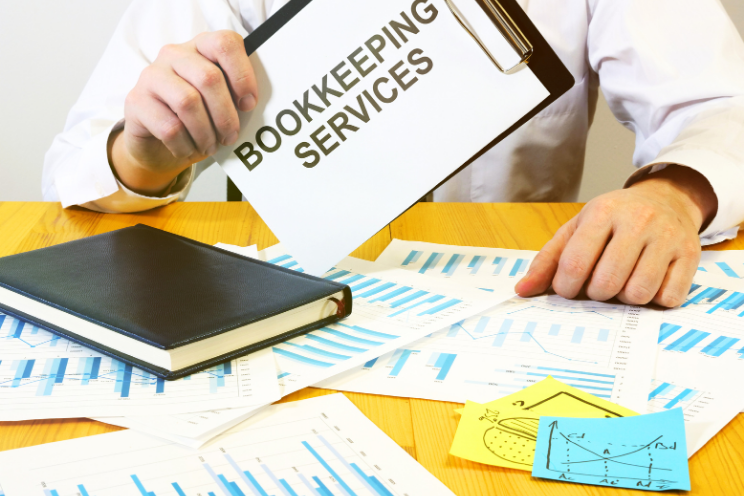
Bookkeeping is often viewed as an administrative task rather than a critical business function. As a result, many business owners delay updating records until tax time approaches.
Unfortunately, this habit can create significant challenges. When financial records are incomplete or outdated, business owners lose visibility into the true performance of their business. Decisions begin to rely on assumptions rather than accurate financial information.
Poor bookkeeping can also lead to reporting errors, missed deductions, compliance issues, and unnecessary accounting costs. Without accurate records, it becomes difficult to understand revenue trends, manage expenses effectively, or identify areas that require improvement.
Professional bookkeeping services help businesses maintain organised financial records throughout the year. Accurate bookkeeping not only supports compliance but also provides valuable insights that contribute to better decision-making and stronger financial outcomes.
Many Australian business owners begin operating with a simple setup, particularly during the early stages of growth. However, continuing to mix personal and business finances can create unnecessary complications as the business expands.
Using personal bank accounts for business transactions makes it difficult to track legitimate business expenses and accurately assess financial performance. It can also complicate tax reporting and increase the likelihood of errors when preparing financial statements or tax returns.
A lack of separation often results in confusion regarding profitability because personal spending and business expenses become intertwined. This can make it difficult to evaluate whether the business is genuinely performing well.
Establishing separate financial systems creates a clearer picture of business performance and improves overall financial management. It also simplifies reporting obligations and supports more effective tax planning. Many experienced tax accountants recommend separating finances from the beginning to avoid complications as the business grows.
Revenue is often treated as the primary measure of success, but revenue alone does not determine whether a business is financially healthy.
Many businesses celebrate increasing sales without fully understanding how much profit those sales are generating. While strong revenue figures may appear impressive, rising costs can significantly reduce actual profitability.
In some situations, businesses grow rapidly while experiencing declining margins because expenses increase faster than revenue. This can occur due to higher staffing costs, inefficient processes, increased overheads, or pricing strategies that fail to reflect the true cost of delivering products and services.
Business owners who regularly analyse profitability gain a deeper understanding of which products, services, clients, or projects generate the greatest value. This allows them to focus resources where they will have the strongest impact.
Professional small business advisory services can help identify opportunities to improve profitability, streamline operations, strengthen financial performance, and support sustainable growth without necessarily increasing sales volume. By leveraging expert guidance, businesses can uncover inefficiencies, improve decision-making, and develop strategies that deliver stronger long-term results.
A common mistake among Australian businesses is viewing tax planning as a once-a-year activity. Many business owners focus on tax obligations only when deadlines approach, limiting their ability to implement effective strategies.
Tax planning is most effective when it occurs throughout the financial year. A proactive approach allows businesses to evaluate financial decisions before they are finalised, potentially creating opportunities to improve outcomes and manage future liabilities more effectively.
Regular tax planning also helps businesses prepare for growth, manage cash flow, and avoid unexpected tax obligations. Rather than reacting to financial events after they occur, business owners can make informed decisions based on current circumstances and future objectives.
Working closely with accounting professionals throughout the year enables businesses to identify opportunities, remain compliant with changing regulations, and develop strategies that support long-term financial success.
Beyond these five habits, many Australian businesses encounter additional financial challenges that can impact growth and profitability. In many cases, these issues develop gradually and become noticeable only after they begin affecting performance.
Some businesses fail to review financial reports regularly, while others operate without realistic budgets or measurable financial goals. Many business owners also delay seeking professional advice, assuming financial concerns can be addressed later.
The most successful businesses understand that financial management is an ongoing process. They consistently review performance, analyse trends, and make adjustments based on accurate information rather than assumptions.
Businesses that achieve sustainable growth typically adopt a proactive approach to financial management. Rather than waiting for problems to emerge, they establish systems that provide visibility, control, and accountability across all areas of the business.
Successful businesses often:
These habits help business owners make informed decisions, minimise financial risk, and create stronger foundations for future growth.
Also read: Top 5 Small Business Tax Concessions You Should Know
Many Australian businesses work hard to increase revenue but overlook the financial habits that influence long-term success. Small financial mistakes repeated over time can significantly affect profitability, cash flow, and growth potential.
Ignoring cash flow, neglecting bookkeeping, mixing personal and business finances, focusing solely on revenue, and delaying tax planning are habits that continue to hold many businesses back. While these issues are common, they are also preventable.